CLUTCH RELEASE BEARING
Get Fastest Delivery / Get Best In Market Rates / 43+ Years Of Experince
Shree Balaji Export is a trusted manufacturer, supplier, and exporter of high-performance clutch release bearings for automotive and industrial applications. The company supplies premium-quality bearing solutions to clients in Sri Lanka, South Africa, the UAE, Nigeria, Egypt, Indonesia, Thailand, Kuwait, and worldwide markets. Known for competitive export pricing, timely global delivery, secure packaging, and reliable customer support, Shree Balaji Export provides durable and high-quality clutch release bearings that meet international industry standards.
What Is a Clutch Release Bearing?
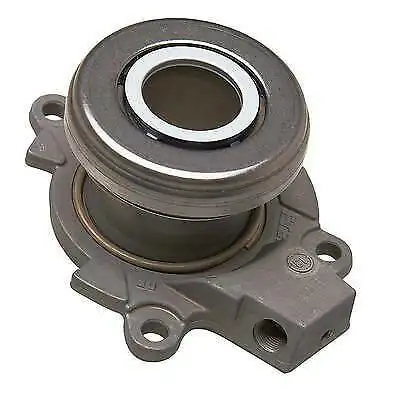
Every time you press the clutch pedal in a manual-transmission vehicle, a small but vital component quietly does its job - the clutch release bearing. Also called a throw-out bearing, it acts as the mechanical link between the clutch pedal and the pressure plate. The moment the pedal is depressed, the bearing moves forward, presses against the diaphragm spring of the pressure plate, and temporarily separates the engine from the gearbox. This brief disconnection is what allows the driver to shift gears without grinding or damaging the transmission.
Despite its modest size, the clutch release bearing is one of the most frequently engaged components in any vehicle with a manual gearbox. In stop-and-go city traffic, it can be activated hundreds of times in a single journey. Understanding what it does, how it works, and how to maintain it can save vehicle owners significant money and avoid unexpected breakdowns.
How Does a Clutch Release Bearing Work?
To understand the function of a clutch release bearing, it helps to first understand the clutch assembly as a whole. A typical clutch system includes four main components: the flywheel (connected to the engine), the clutch disc (which transfers power to the gearbox), the pressure plate (which holds the disc against the flywheel), and the release bearing itself.
Here is what happens each time the clutch pedal is pressed:
- The clutch pedal activates a mechanical fork or hydraulic actuator.
- The actuator pushes the clutch release bearing forward along the transmission input shaft.
- The bearing contacts the diaphragm spring fingers of the pressure plate.
- This pressure causes the spring to retract, pulling the pressure plate away from the clutch disc.
- The clutch disc disengages from the flywheel, cutting the flow of power from the engine.
- The driver selects the new gear, then releases the pedal, allowing the clutch to re-engage.
This entire sequence happens in a fraction of a second. The clutch release bearing must handle both spinning motion (as it contacts the rotating diaphragm spring) and axial thrust (the pushing force applied by the fork), making it a demanding application for any bearing component.
Types of Clutch Release Bearings
all clutch release bearings are built alike. Depending on the vehicle type, load requirements, and clutch system design, manufacturers use different bearing configurations. The three most common types are:
1. Ball Bearing Clutch Release Bearing
The ball bearing clutch release bearing is the most widely used variant, found in the majority of standard passenger cars and light commercial vehicles. It uses small, precision-ground spherical balls arranged in a circular raceway to reduce friction and enable smooth rotation. Ball bearings are appreciated for their low operating noise, long service life under normal load conditions, and relatively affordable cost. They are well-suited for everyday driving where the clutch is engaged and disengaged repeatedly under moderate force.
2. Tapered Roller Clutch Release Bearing
Where greater load-carrying capacity is needed — such as in heavy trucks, coaches, agricultural equipment, or high-performance sports vehicles — the tapered roller clutch release bearing is the preferred choice. Instead of spherical balls, it uses cone-shaped rollers that can manage significantly higher axial and radial forces simultaneously. This design distributes stress more evenly across the contact surface, making it far more durable under demanding conditions.
3. Hydraulic Clutch Release Bearing
The hydraulic clutch release bearing represents the modern evolution of clutch technology. Unlike the traditional design that uses a mechanical fork and cable, the hydraulic type is activated directly by hydraulic fluid pressure. This eliminates the clutch fork altogether, reducing the total number of moving parts in the system. The result is a lighter, more precise pedal feel, lower maintenance requirements, and better reliability over the long term. Most new-generation vehicles — including many premium and performance models — now come equipped with hydraulic release bearings as standard.
| Bearing Type | Ideal Application |
|---|---|
| Ball Bearing | Passenger cars, light vans, everyday commuter vehicles |
| Tapered Roller Bearing | Heavy trucks, buses, construction and farm machinery |
| Hydraulic Release Bearing | Modern cars, performance vehicles, premium segments |
Benefits of Using a Quality Clutch Release Bearing
Fitting or maintaining a high-quality clutch release bearing has a direct, measurable impact on vehicle performance, driver experience, and long-term ownership costs. Here is why it matters:
- Smooth, Effortless Gear Changes: A properly functioning bearing ensures clean, seamless clutch disengagement with every pedal press, eliminating gear grinding and jerkiness, even in stop-and-go urban driving.
- Extended Life of the Entire Clutch Assembly: When the release bearing performs correctly, it reduces stress on the clutch disc, pressure plate, and diaphragm spring — helping all components last longer and reducing the frequency of full clutch kit replacements.
- Transmission Protection: By cleanly separating the engine from the gearbox during shifts, a good clutch release bearing protects the transmission's synchronisers and gear teeth from excessive wear — components that are costly to repair.
- Quieter Driving Experience: A self-aligning bearing minimises noise and vibration during clutch operation, contributing to a noticeably quieter cabin, especially in city driving conditions.
- Confident Clutch Control: Drivers benefit from more precise, predictable clutch engagement, making it easier to perform smooth starts, hill starts, and low-speed manoeuvres without stalling.
- Lower Long-Term Cost of Ownership: By preventing premature clutch failure and protecting surrounding components, a quality clutch release bearing saves money over the life of the vehicle.
Industry Applications of Clutch Release Bearings
The clutch release bearing is far from a component exclusive to passenger cars. Its application spans a diverse range of industries wherever manual or semi-automatic power transmission systems are used:
| Industry Sector | Application |
|---|---|
| Commercial Transport | Heavy-duty trucks, long-haul coaches, and urban bus fleets |
| Agricultural Machinery | Tractors, combine harvesters, and field equipment where clutch durability is critical |
| Construction Equipment | Excavators, bulldozers, graders, and loaders with mechanical drive systems |
| Railway & Off-Highway | Specialised rail vehicles and off-road machinery using clutch-based transmissions |
| Industrial Power Systems | Factory machinery and power transmission equipment with clutch-engaged drives |
How to Choose the Right Clutch Release Bearing
Selecting the correct clutch release bearing for your specific application is essential. Fitting the wrong bearing can result in poor performance, premature failure, or safety hazards. Consider the following factors:
- OEM Specifications: Always match the bearing to the vehicle manufacturer's original specifications. Using a bearing with the correct bore diameter, outer diameter, and width is non-negotiable.
- Clutch Actuation System: Determine whether the vehicle uses a cable-operated, mechanical-fork, or hydraulic clutch system, as each requires a different bearing design and mounting arrangement.
- Load Requirements: For heavy-duty applications, choose a tapered roller type that is rated for the expected axial load. For standard passenger vehicles, a ball-type bearing is generally sufficient.
- Material and Precision Grade: Premium clutch release bearings are manufactured from case-hardened bearing steel with precision-ground raceways, ensuring consistent performance over a long service life.
- Source from Certified Suppliers: Only purchase clutch release bearings from manufacturers or exporters who can demonstrate adherence to international quality standards, including ISO certification and dimensional accuracy testing.
Conclusion
The clutch release bearing may be small in size, but its impact on vehicle performance, driver comfort, and drivetrain longevity is enormous. From enabling smooth gear transitions and protecting expensive transmission components to supporting demanding industrial applications, this precision component punches well above its weight. Whether you are a vehicle owner looking to understand a noise from beneath the dashboard, a fleet manager seeking reliable components for your commercial vehicles, or a procurement professional sourcing bearings for industrial machinery, understanding the role of a quality clutch release bearing is a valuable investment in time.
FAQs
The primary function of a clutch release bearing is to disengage the clutch by pressing against the diaphragm spring of the pressure plate when the clutch pedal is depressed. This action temporarily separates the clutch disc from the engine flywheel, allowing the driver to change gears without damaging the transmission. It must handle both rotational movement and significant axial (pushing) force each time the clutch pedal is used.
The most recognisable sign of a failing clutch release bearing is a squeaking, chirping, or rattling noise that appears specifically when the clutch pedal is pressed and stops as soon as the pedal is released. Additional warning signs include difficulty shifting gears, a vibrating or pulsating clutch pedal, an unusually stiff pedal feel, and in advanced cases, clutch slippage. If you notice any of these symptoms, arrange for an inspection as soon as possible to avoid more extensive transmission damage.
The lifespan of a clutch release bearing varies based on driving habits, vehicle type, and maintenance quality. Under normal conditions, a good-quality bearing can last between 50,000 and 100,000 miles or more. Drivers who regularly ride the clutch pedal, operate in heavy traffic, or use their vehicles for towing and hauling will typically find that their bearing wears out sooner. Regular inspection during scheduled servicing is the best way to catch wear before it leads to failure.
A mechanical clutch release bearing is activated by a physical clutch fork that pushes the bearing forward when the pedal is pressed. It relies on a cable or linkage rod connected to the pedal. A hydraulic clutch release bearing, by contrast, is actuated by hydraulic fluid pressure and eliminates the need for a clutch fork altogether. The hydraulic type generally offers a lighter pedal feel, greater precision, and fewer mechanical wear points, which is why it has become the preferred design in most modern vehicles.
It is almost always recommended to replace the clutch release bearing as part of a complete clutch kit — which includes the clutch disc and pressure plate — whenever any one of those components requires replacement. Since the gearbox must be removed to access the release bearing, combining replacements into a single job saves significant labour time and cost. Installing all three components simultaneously also ensures that the entire clutch system is in balanced condition, maximising the service life of each individual part.
 Shree Balaji Exports