A drawn cup roller clutch is a small, one-way bearing built inside a thin pressed steel cup. It lets a shaft spin freely in one direction and locks instantly in the other, so it is widely used for backstopping, indexing, and overrunning motion in compact machine spaces.
At Shree Balaji Export, drawn cup roller clutches are one of our most requested compact motion-control components. Each clutch is assembled with hardened rollers, springs, and a precision drawn steel cup, then tested for smooth free-running and instant lock-up before it leaves our facility. We export these one-way clutch bearings to buyers across Sri Lanka, South Africa, the UAE, Nigeria, Egypt, Indonesia, Thailand, and Kuwait, with full shipping documents prepared alongside every order so your customs process stays easy. Visit Shree Balaji Export to see our full clutch and bearing range and request a quotation.
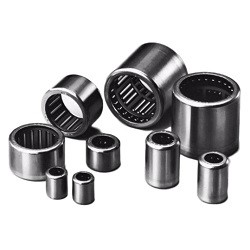
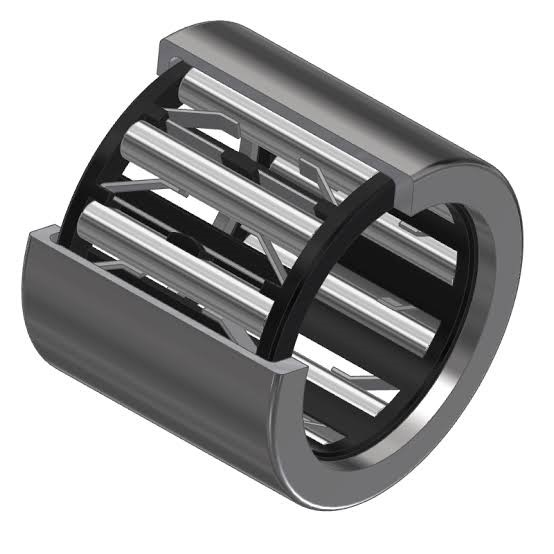
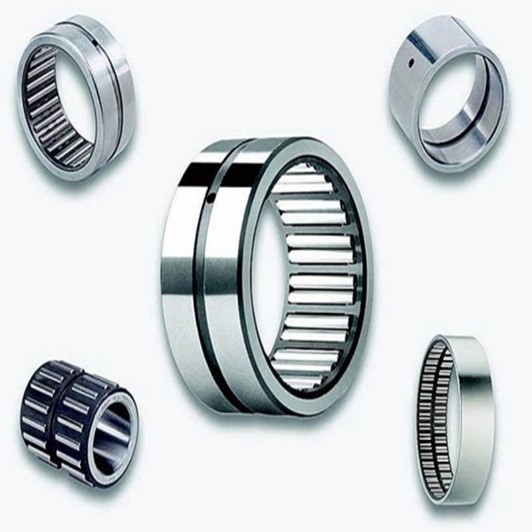
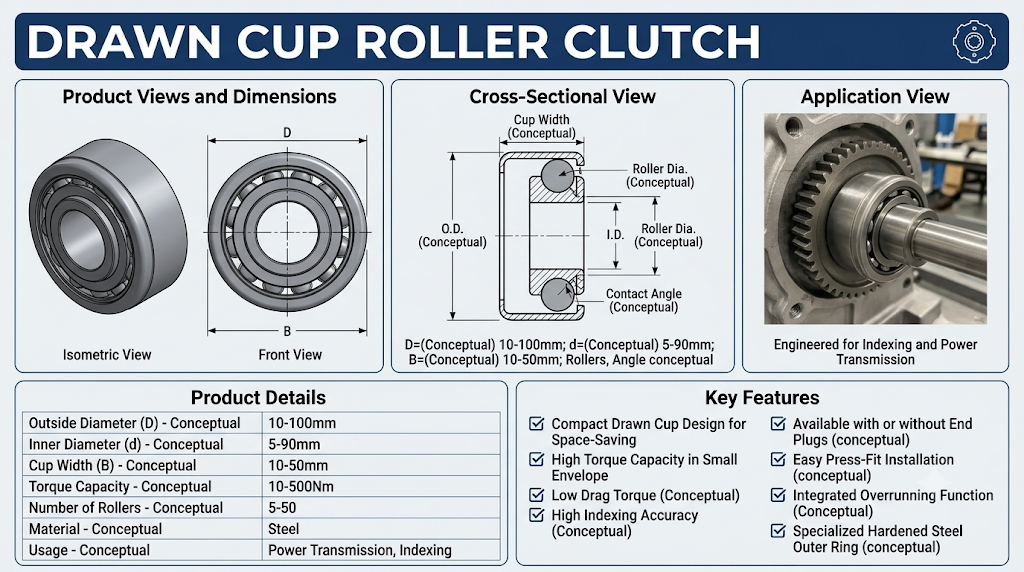
Product Specification
| Outer Diameter | 10-100mm |
|---|---|
| Inner Diameter | 5-90mm |
| Material | Steel |
| Torque Capacity | 10-500Nm |
| Number of Rollers | 5-50 |
| Usage | Power transmission, indexing, overrunning applications |
| Type | Drawn Cup Needle Roller Bearing |
What Is a Drawn Cup Roller Clutch?
A drawn cup roller clutch is a one-way bearing built inside a thin, precisely pressed steel cup. Inside the cup sit small hardened rollers and springs arranged in a cage. When the shaft turns one way, the rollers wedge tight and drive the load. When it turns the other way, the rollers release and the shaft spins free, without any external switch or motor control.
Because the outer cup is thin and pressed rather than machined solid, a drawn cup roller clutch stays small and light, which is why it fits neatly into gearboxes, conveyor rollers, and feed mechanisms where space is limited. Many versions also work as a support bearing at the same time, carrying radial load while doing the clutching job.
This one-way clutch bearing is often chosen instead of a sprag clutch or a mechanical ratchet where a compact, maintenance-light, and cost-effective solution is needed for backstopping or indexing duty.
Drawn Cup Roller Clutch vs Drawn Cup Needle Roller Bearing: What Is the Difference?
Both parts share the same thin, pressed steel cup, but they do very different jobs. A drawn cup needle roller bearing simply supports a rotating shaft in both directions and carries radial load. A drawn cup roller clutch, on the other hand, is built to lock in one direction and free-wheel in the other, using spring-loaded rollers instead of plain needle rollers. If your shaft just needs support, choose the bearing; if it needs to stop reverse rotation or step forward only, choose the clutch.
Types of Drawn Cup Roller Clutches
- Freewheel-Only Drawn Cup Roller Clutch (HF Series): This basic type only does the clutching job and needs a separate bearing nearby to support shaft load. It suits light-duty gearboxes and small indexing devices.
- Flanged Drawn Cup Roller Clutch (HFL Series): A flange on the outer cup makes this type easy to locate and bolt into a housing, which is useful in textile machines and feed rollers that need quick, repeatable assembly.
- Clutch-Bearing Combination (RC Series): This design combines a needle roller bearing section with the clutch section in one compact unit, so it can support radial load and control direction at the same time in tight spaces.
- Keyway Bore Drawn Cup Roller Clutch (FC Series): Here the inner bore includes a keyway so the clutch can be fitted directly onto a keyed shaft without extra fixing parts, common in overrunning shafts on agricultural and packaging equipment.
Drawn Cup Roller Clutches: Part Numbers, Sizes & Applications
The table below lists common series of drawn cup roller clutches, their usual size range, and typical duty. Share your shaft size, speed, and torque with our technical team for an exact match.
| Part Number | Bore (mm) | Outer Dia. (mm) | Width (mm) | Clutch Type | Typical Application |
|---|---|---|---|---|---|
| HF 0612 | 6 | 10 | 12 | Drawn Cup Roller Clutch (freewheel only) | Small packaging machine indexing wheel |
| HFL 1520 | 15 | 21 | 20 | Drawn Cup Roller Clutch (with flange) | Textile spinning frame feed roller |
| RC 081210 | 8 | 12 | 10 | Drawn Cup Roller Clutch (needle + clutch combo) | Printing machine paper-feed shaft |
| HF 2035 | 20 | 26 | 35 | Drawn Cup Roller Clutch (heavy freewheel) | Conveyor backstop against reverse roll-back |
| FC 30 | 30 | 37 | 27 | Drawn Cup Roller Clutch (keyway bore) | Escalator and belt drive anti-reverse unit |
| HFL 3552 | 35 | 42 | 34 | Drawn Cup Roller Clutch (flanged, heavy duty) | Agricultural gearbox overrunning shaft |
Benefits of Choosing the Right Drawn Cup Roller Clutch
- Compact, Space-Saving Design: The thin pressed cup keeps the clutch small, which helps when housing space is tight.
- Instant, Automatic Lock-Up: No external control is needed; the clutch engages the moment shaft direction changes.
- Smooth Free-Running: Hardened rollers and springs allow low-drag, quiet free-wheeling in the release direction.
- Lower Cost Than a Sprag Clutch: Simpler construction keeps the price down for similar backstopping performance.
- Flexible Mounting Options: Plain, flanged, keyway, and combination types fit many different shaft and housing setups.
- Long Service Life: Hardened rollers and a ground raceway surface resist wear even under frequent cycling.
Across Our Export Markets: Where Drawn Cup Roller Clutches Are Put to Work
| Export Market | How Drawn Cup Roller Clutches Are Used Locally |
|---|---|
| Sri Lanka | Tea-leaf withering and rolling lines use these clutches to stop rollers from spinning backward when power cuts happen mid-shift. |
| South Africa | Mineral screening and vibrating feeder lines rely on small overrunning clutches to protect gear drives from reverse shock. |
| UAE | Automated packaging and logistics conveyors use compact freewheel clutches to keep indexing steps accurate at high speed. |
| Nigeria | Grain milling and feed-processing plants fit these clutches on intermittent-feed rollers that must never run backward. |
| Egypt | Textile weaving and spinning units use flanged drawn cup clutches for precise, jerk-free yarn feed control. |
| Indonesia | Palm oil and rubber sheeting lines use overrunning clutches to hold rollers steady during sudden stop-start cycles. |
| Thailand | Printing and paper-converting machines use small clutch bearings for step-by-step sheet feeding without slip-back. |
| Kuwait | Desalination and process-plant conveyors use anti-reverse clutches to stop material from sliding back on inclined belts. |
| Worldwide | Any compact drive that needs simple backstop or step-motion control can use a drawn cup roller clutch in place of bulkier sprag or ratchet designs. |
How to Select the Right Drawn Cup Roller Clutch
- Check Direction of Lock-Up Needed: Confirm which shaft direction must lock and which must free-wheel before ordering.
- Match Bore Size to Shaft: Bore, outer diameter, and width must match your shaft and housing exactly for a proper fit.
- Calculate Torque and Speed: Peak torque and running speed decide whether a plain, flanged, or combination clutch is needed.
- Decide If Extra Support Is Needed: A freewheel-only clutch needs a separate bearing nearby; a combination type does not.
Common Mistakes to Avoid When Choosing a Drawn Cup Roller Clutch
- Reversing the Lock-Up Direction: Fitting the clutch backward means the shaft locks in the wrong direction and the machine jams.
- Ignoring Shaft Surface Finish: A rough or soft shaft surface wears out the rollers quickly and shortens clutch life.
- Overlooking Running Speed Limits: Running a small clutch above its rated speed causes overheating and early failure.
- Skipping Lubrication Checks: Even sealed clutches need the right grease type; the wrong grease can cause roller slip.
Simple Maintenance Tips for Longer Life
Listen for a smooth click or soft buzz when the clutch shifts from lock to free-wheel; a harsh grinding sound usually means roller or spring wear. Check the housing fit regularly, since a loose outer cup can spin inside the housing and damage both parts. Keep the recommended grease type on schedule, and inspect the shaft surface at every service interval, since a worn shaft will quickly damage a new clutch as well.
Request a fast export quote for drawn cup roller clutches from Shree Balaji Export — trusted delivery to Sri Lanka, South Africa, UAE, Nigeria, Egypt, Indonesia, Thailand, Kuwait and worldwide.
Frequently Asked Questions
It is used to let a shaft or roller turn freely in one direction while locking instantly in the other, for jobs like backstopping conveyors, indexing feed rollers, and overrunning drives.
A drawn cup roller clutch uses spring-loaded rollers inside a thin pressed cup and is more compact and cost-effective, while a sprag clutch uses wedge-shaped sprags and often handles higher torque in larger machines.
A freewheel-only type usually needs a nearby support bearing, while a combination clutch-bearing type carries radial load and controls direction in one unit.
Yes, within its rated speed limit. Running it faster than rated can cause the rollers to skip or overheat, so checking the speed rating before selection is important.
Shree Balaji Export supplies drawn cup roller clutches to Sri Lanka, South Africa, the UAE, Nigeria, Egypt, Indonesia, Thailand, Kuwait, and other markets worldwide, with complete export documentation and dependable delivery.
Common signs include a grinding or clicking noise during engagement, slipping instead of locking, visible roller wear, and grease that looks dark or gritty on inspection.
 Shree Balaji Exports
Specialize in delivering top-quality bearings and related solutions to meet the diverse needs of various industries.